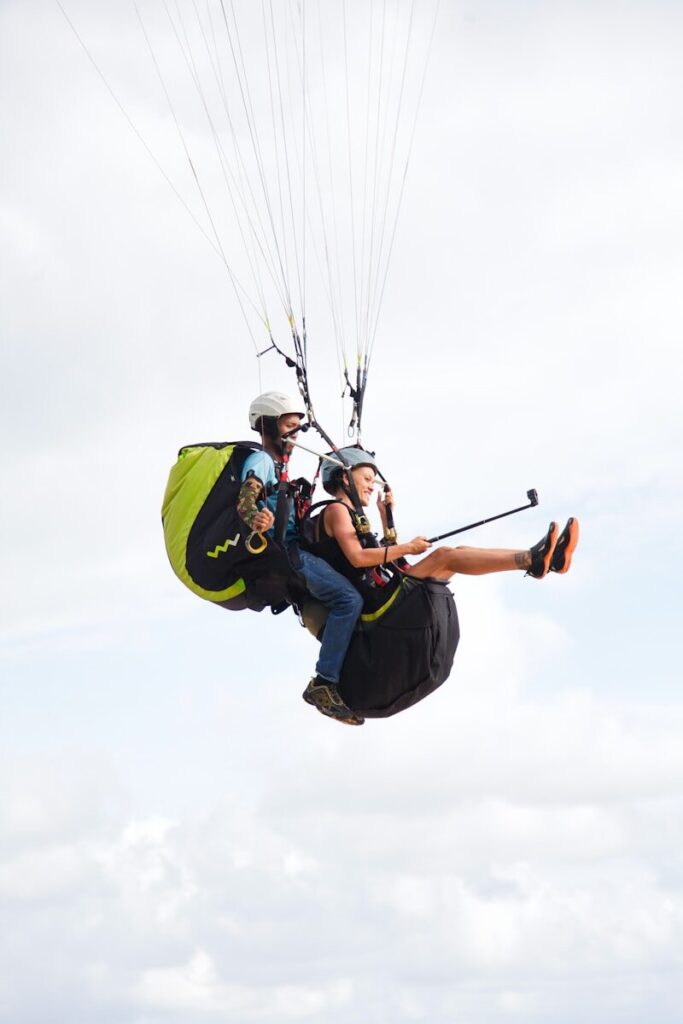
Imagine stepping off a Swiss mountain, feeling the wind rush against your face as you soar across blue lakes and glacier-dotted valleys. There’s nothing like paragliding amidst the heights of Switzerland. But to enjoy every second safely, you need a wing that suits you and the Alps’ unique playground. In this guide, we’ll break down everything you’ll need to know about choosing the right paraglider for the stunning Swiss landscape. The Basics of Paragliding Paragliding uses a special fabric wing, known as a canopy, filled with air to lift you off the ground. You take off on foot from hills or mountains, then let gravity and wind do their magic. The sport is very popular in Switzerland, with more than 16,000 regular pilots enjoying hundreds of launch sites in the Alps. The blend of hiking and flight has made paragliding an essential Swiss adventure. Modern paragliders are designed to meet strict safety standards labeled A (safe for beginners) up to D (for expert pilots). Popular Swiss shops like Gleitschirme kaufen offer top brands such as Niviuk and Gin Gliders, which their pilots have tested for safety and quality. Wing Choices by Skill Level The most important way to pick a paraglider is to match it to your flying experience. Every paraglider has a certification, stating how much passive safety it offers and how easy it is to control. EN-A paragliders are perfect for those just starting, as they are built for easy take-offs and calm flights in the trickier winds often found in Swiss valleys. As you improve, many pilots move to EN-B wings, which are more agile and allow you to grow your skill set—some even use these to chase thermals near Lake Lucerne or similar areas. Seasoned pilots might go for EN-C or EN-D wings, which are faster and responsive. These are popular in more demanding areas like Schilthorn, where you can enjoy high-performance flying but will need to be very skilled, especially when facing Swiss microclimates. Swiss pilots often prefer brands like BGD and Niviuk because their wings are lightweight, ideal for hiking up a mountain before a flight. Modern wings tend to have slimmer shapes for better gliding, which comes in handy in the weaker updrafts high up in the Alps. Certification Level Pilot Experience Best Use in Switzerland EN-A Beginner School fields, Interlaken starter flights EN-B Intermediate Thermal soaring, sightseeing across Lauterbrunnen EN-C/D Advanced Cross-country and ridge flying, Pilatus and beyond Getting the Right Wing Size Before you choose your parachute size, you should know your total flying weight. This includes not just your body weight, but also your harness, reserve chute, helmet, and extras like water bottles—usually about 15-20kg. Most pilots go for a wing size where they sit comfortably in the middle of the wing’s range. For example, if you weigh 80kg with all your gear, and the wing’s recommended range is 75-95kg, you’re set. If you pick a wing that’s too small, you’ll zip through strong winds but could be put under dangerous amounts of pressure. An oversized wing is slow to respond but can climb softer in light air. Because takeoff spots in Switzerland are higher, and the air is thinner, a mid-range weight is usually the safest and gives you the best control. Swiss guidance suggests using online weight calculators or getting help from a dealer with fitting advice. New tools and online resources can make the math simple, and local experts often know exactly what works near the big flying spots like Beatenberg or Engelberg. Swiss Terrain and What It Demands Switzerland’s paragliding sites each have unique challenges and rewards. For example, Interlaken offers strong thermals above beautiful lakes, while more rugged areas like Engelberg have little valleys that funnel winds. These conditions can change quickly—from valley breeze to sudden high mountain wind, which is why most Swiss pilots favor agile EN-B+ gliders for challenging areas and wings under 4 kilograms for hike-and-fly adventures like Schynige Platte. Weather in the Alps is famous for being unpredictable. Fast-forming cumulus clouds, föhn winds, and sudden chills mean your wing should have good stability and react quickly to rough air. In the flatlands, paragliders need a different build; in Switzerland, a more alpine-friendly model is essential. Statistics reveal the country hosts over 400 flying zones with most launches high up in the mountains. Worries about winds or thin air are real here—so consider this when shopping for your gear. Star Brands for Swiss Conditions Certain makes stand out when it comes to paragliders suited for the Alps. Niviuk produces a range known for its simplicity and impressive stability. Gin Gliders has a reputation for strong, lightweight wings that are favorites for hike-and-fly trips. For pilots progressing quickly, BGD wings are a popular surround; they build confidence with clear feedback during flight. Paragliding24.ch stocks all the best names and has handy tools and accessories, like Skytraxx instruments, to help pilots catch thermals in every corner of the country. For anyone looking for engineering that matches the Swiss focus on precision and reliability, Nova is another top name. When looking at used wings, always check the test history—sometimes buying secondhand saves money, but safety is everything. The Alpine Flying Challenge Weather and the ruggedness of the high Alps make flying here more exciting but also risky. Dangerous air eddies (or rotors), sharply changing weather, and flights in near-freezing conditions demand respect. Always make sure your wing meets Swiss and European certifications, and never go up without a reserve. Getting the wrong size is more trouble than it’s worth—many incidents occur when new pilots try to jump up to faster, sleeker models too quickly. Alpine winds can turn on a dime—sometimes strong föhn gusts put pilots on the ground for hours—so stay flexible and don’t let pressure push you into a risk. On the bright side, with the right gear and experience, pilots regularly cover hundreds of kilometers in one day thanks to the help of advanced tech like variometers. The future promises ultralight materials and smarter launching aids, making each adventure safer. Your Steps for Picking a Paraglider Try out flying in places like Interlaken or Mürren first to get used to your chosen wing’s strengths. Switzerland’s majestic Alps are calling. With a well-chosen paraglider, you’re all set for the ride of your life. Take the time to pick carefully, get expert advice, and soon those breathtaking horizons will be yours for the taking. Why not visit a specialist shop or book a lesson to find your ideal wing and start your next great Swiss adventure?