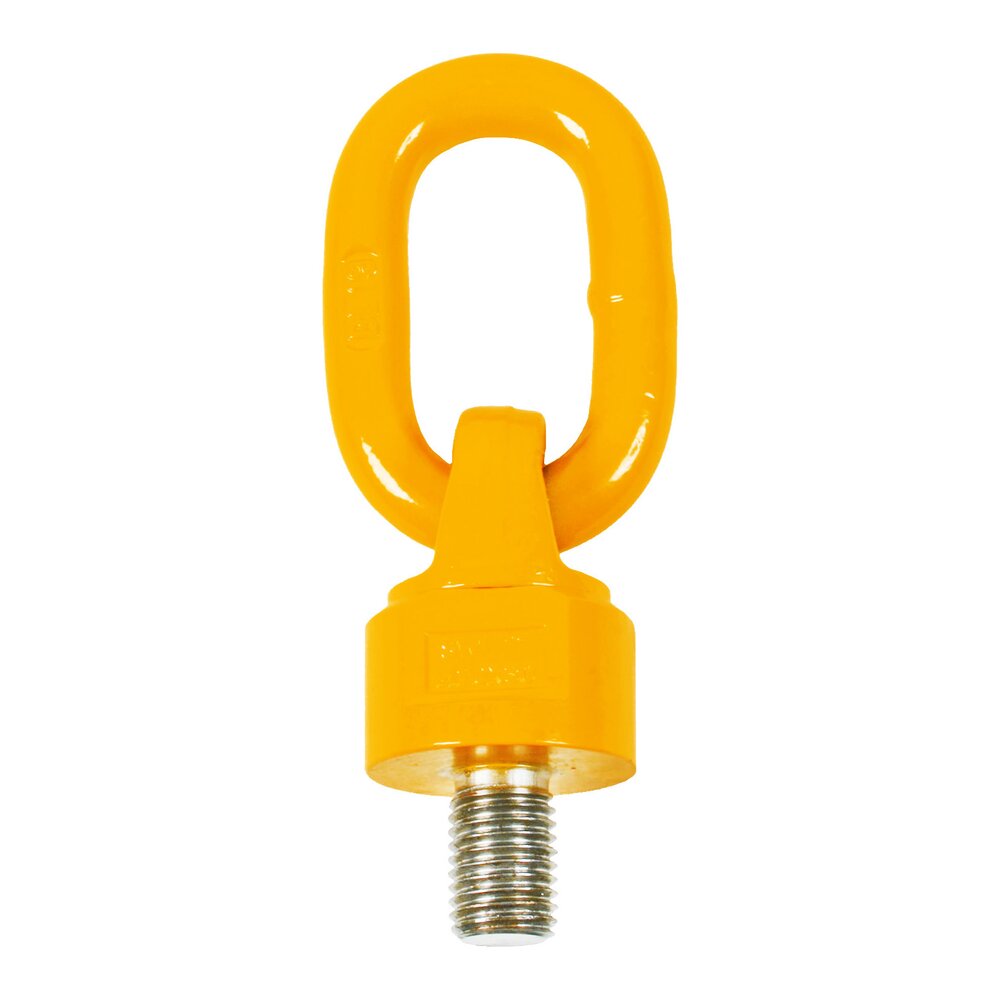
Picture yourself at an active construction site in London, where a mighty steel beam floats securely in mid-air. What enables this impressive sight? It is the modest lifting eye—a small, round, robust steel loop. Often overlooked, lifting eyes are vital in ensuring loads connect safely to cranes, making sure heavy objects are moved without incident. As large infrastructure projects fill the UK and safety rules become stricter, lifting eyes stand as silent guardians, keeping sites moving and workers safe. In this post, we’ll look into their uses, explore different types, offer safety guidance, and share tips for safer, smarter lifting everywhere from factories to construction yards.
What Are Lifting Eyes?
Lifting eyes—also called eyebolts, hoist rings, or load rings—are sturdy, threaded bolts with a closed loop at one end. This loop is a strong point for attaching chains, hooks, or slings when lifting heavy items. They come in many sizes, starting as small as the tip of your pinky and scaling up to massive bolts that can safely carry 125 tonnes or more. Most are made from tough steel for heavy-duty use, but stainless versions exist for wet or marine settings. British and international safety standards give strict guidelines to make sure these products are always up to the task. In the UK, the law requires all lifting eyes used with cranes to be expertly checked every six months to ensure everyone’s safety.
Where Lifting Eyes Are Essential
You’ll find lifting eyes hard at work in a range of sectors. On building sites, they swing beams, hoist machinery high, or anchor loads in place with cranes. In marine industries, lifting eyes made of stainless steel withstand salty air and water, fastening boats or equipment securely to docks and ships. Factories depend on them for moving engines and heavy parts or using them in complex rigging systems that hoist large machinery. Even in farming, they play a role when hay bales need lifting or machinery is carted from field to field. Events industries use them, too, helping stage crews set up lighting or sound equipment safely and efficiently.
Just to give you an idea, here are a few examples:
- Construction: Moving tall building structures, holding huge panels, supporting scaffolding, all with safe capacities—sometimes as much as 250 tonnes mounted through several large lifting bolts at once.
- Marine/Offshore: Mooring heavy chains or hooks, surviving sea spray, and holding their rated strength at unusual angles with special swivel models.
- Manufacturing: Handling factories’ biggest items, like engines or assembly equipment, with regular eye sizes between M10 and M36 for everyday loads.
- Farming and Entertainment: Attaching towing chains to tractors or suspending heavy stage props overhead, usually using standardised eye nuts and bolts.
With building and production booming, sales of cutting-edge lifting eyes keep rising, and the market is expected to double as UK investment in new infrastructure increases.
Types of Lifting Eyes and How to Pick the Right One
Lifting eyes are crafted in several forms to fit varied jobs. The most basic kind is the fixed eyebolt. This design works well when items need lifting straight up and down, with little or no angle—stray too much off-vertical, and their strength drops sharply! Newer models feature rotating and swiveling eyes. They keep their rated strength even when lifting at sharper angles—ideal for modern sites where loads are rarely “perfectly vertical.” Swivel eyebolts auto-adjust to changing pull directions, reducing risk and boosting reliability.
Other both simple and advanced options include:
- Shoulder eyebolts: Extra thick at the base—not just for added heft, but to share the strain when carrying truly heavy loads.
- Eye nuts: A handy solution for places where you want to screw a loop onto a stud or a protruding bolt.
It’s important to know: Not every eyebolt is built for lifting. True lifting eyes are forged and tested for heavy duty—a standard bolt, or an alloy copy, is almost certain to fail if asked to bear a serious load.
Challenges and Advances in the UK
British sites face special hazards, especially with angled pulls. Move a standard eyebolt too far off vertical and it will start to bend or lose strength fast. Weather plays a part too; moisture and salt can eat away normal bolts, making premium stainless or coated versions essential, especially along the coasts or exposed yards.
New technology is helping to keep up with today’s bigger demands. Instead of unmarked old-school loops, many modern lifting eyes come with data chips or traceable marks—so anyone handling them can instantly check when they were last tested, who made them, and how much they can really lift. These improvements are proving to lower mistakes and near-misses, all while speeding up inspections.
And as e-commerce grows, more suppliers are making custom-sized lifting eyes on demand for unusual weights or equipment, while greener manufacturing means lighter, recyclable options keep appearing as well. Looking to the future, experts predict that sensors and online networks—keeping every lifting point recorded and checked in real time—will soon be common across all big UK projects.
Safe Lifting: Tips to Prevent Accidents
Making full use of lifting eyes means putting safety first at every step. Find out how heavy your loads actually are, including all slings and angles—never overload any piece. Install eyebolts by threading them in fully, making sure holes are clean and blocks are tight (but not overtightened), and never drag a load sideways using a fixed ring. Every lifting eye should be looked over before use, hunting for tiny cracks or distortion, with a thorough examination by a specialist at least every six months.
Some easy safety rules include:
- Use swivel eyes if you expect to lift or pull at steep angles.
- Choose stainless steel if your lifting happens near water or in corrosive areas.
- Pair lifting eyes with certified shackles and check all markings.
- Store lifting eyes dry and protected, and provide yearly safety refreshers to your lifting teams.
Shops such as LiftingSafety.co.uk offer specialist products, including versions tailored for tough lifting, so always choose trusted suppliers and meet every legal requirement for safe lifting on site.
As cranes rise above city skylines and new buildings reach higher than ever, lifting eyes continue working behind the scenes—ensuring every heavy load makes its way safely into place. The question is: Will the lifting eyes on your site stand the test of the next big job? Make the smart move and use only quality, certified products, prioritising both safety and compliance as you continue building the future.