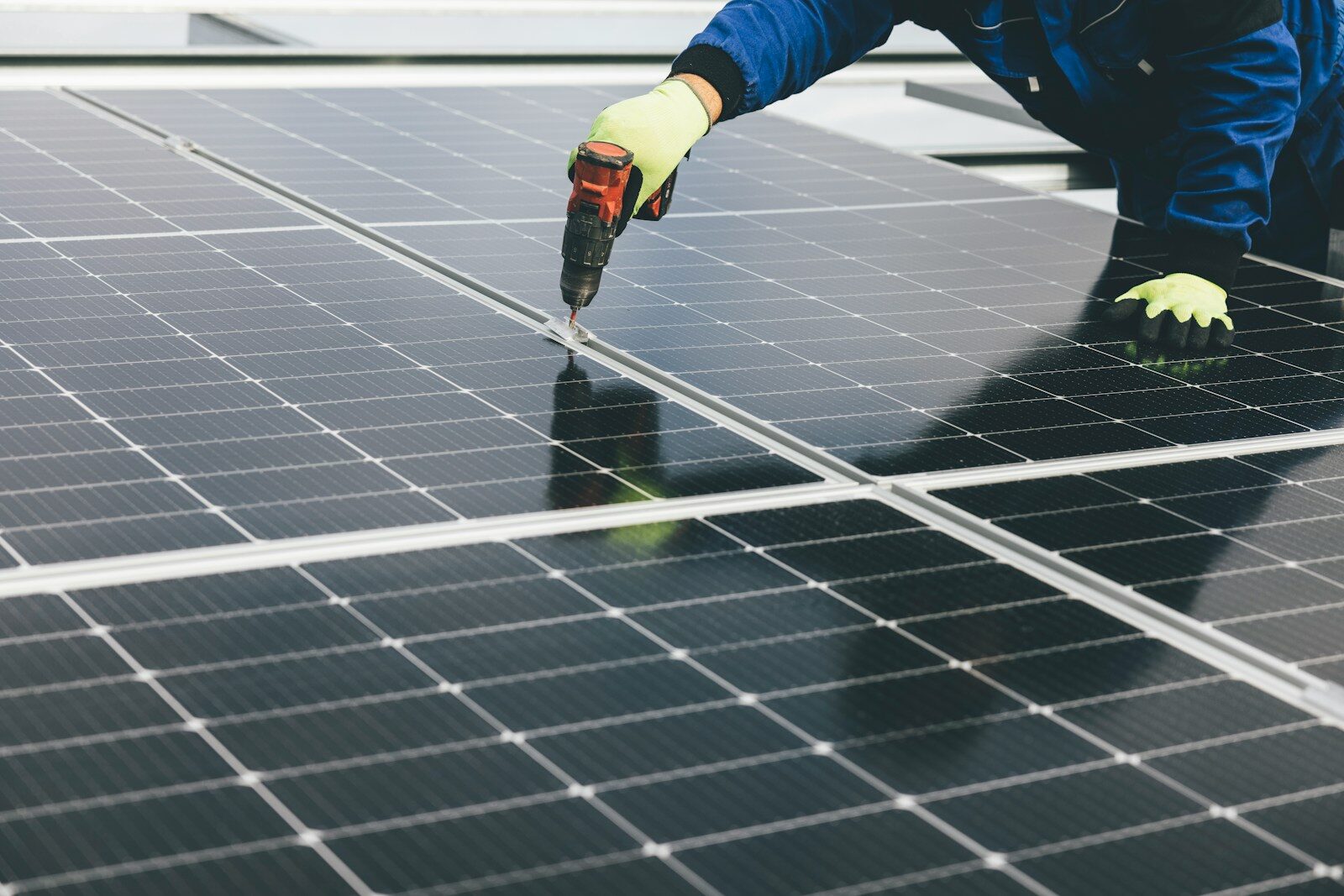
Can you picture lowering your energy bills by £765 every year, all while enjoying your tea on a drizzly afternoon in a house powered by the sun shining on your rooftop? The future looks sunny for UK homeowners, and a new wave of solar panel cost calculator tools promises to make it easier than ever to cut your bills. With energy prices sticking near 26.55p per kWh under the latest rules, these calculators are your first step toward affordable, clean power. Let’s explore how they work, what they tell you, and how tapping into this tech could reshape your energy bills for good.
The Basics: What is a Solar Panel Cost Calculator?
The solar panel cost calculator uk is a handy online tool designed to give you fast, clear estimates for installing solar panels. By plugging in info about where you live, how much electricity you usually use, and the angle and size of your roof, you get an instant look at installation costs, expected energy output, and future savings. These tools have been around since the early push for solar energy a decade ago. They’ve evolved alongside government support, such as the 0% VAT incentive now making solar even cheaper during a time of high energy bills.
Armed with fully updated UK data—like the average household using 3,800 kWh each year at current rates—these calculators help demystify solar setups, so homeowners can easily see the potential for their own properties.
How Do Leading Solar Calculators Work?
Popular calculators, including the one found at Top Green Deals, guide you through a straightforward process: share details about your home, the direction and tilt of your roof (south-facing between 30–40 degrees gets you the most sun), your postcode, and your energy bill amount. In minutes, you’ll see potential install costs, possible annual savings, carbon savings, and even how much power you might generate each month.
For example, a typical calculator, using a 4kW system as a base, may predict installation costs between £6,600 and £8,100 and annual savings approaching £1,300 for a household with medium energy needs. Others, like CompareMySolar, let you actually visualise your rooftop’s potential. More tools, like Wickes, are beginning to zero in on what’s really likely to work for your house by using up-to-date installation data.
| Calculator | Inputs You Provide | What You Get | Who Should Use It |
|---|---|---|---|
| Top Green Deals | Roof details, energy use | Savings, carbon stats | Simple, fast UK checks |
| Greenmatch | Location, finances | System specs, ROI | Deep cost breakdown |
| CompareMySolar | Address, roof layout | Visual output maps | For seeing roof possibilities |
| SolarROI | Local rates, costs | Repayment time | Returns-focused shoppers |
All these calculators use smart algorithms and local climate data, accounting for how unpredictable the UK weather can be.
Solar Panel Prices and Savings for 2026
In 2026, the cost of getting solar has landed at its lowest point in years. Today, it’s possible to fit a typical 4kW system for around £5,200–£8,100—a dramatic drop since 2024—thanks to ever more efficient technology and lots of competition. If you’d like to add a battery for storing extra sunshine, your total outlay may rise to £9,000–£11,500, but that can mean far more true energy independence.
Yearly savings sit close to £765 on average, with most owners earning back their costs in as little as six years at current electricity prices. Thousands of homes are signing up each month: for a small home, a 3kW setup can cost between £5,700 and £7,000, delivering almost £800 in yearly energy savings.
Even in grey, wintry parts of the UK, these calculators have localised algorithms to reflect reality. Interestingly, the sunniest parts of Wales can sometimes achieve up to 155% of their expected solar output thanks to ideal local conditions.
The Most Important Solar Trends in 2026
This year, more UK homeowners are choosing solar than ever. With fresh government incentives and rising environmental awareness, returns of up to 20% are on the table for those who invest in powerful, larger systems. Batteries are an increasingly hot option, with people creating their own mini power stations: pairing a 4kW system with a 10kWh battery allows you to keep 70% of your solar-generated electricity for yourself, instead of sending it back to the grid.
Nevertheless, a few real-world hurdles remain: the up-front cost keeps three out of ten people from buying, while a home with a north-facing roof might only generate about 80% as much energy. Some still wrongly believe the UK’s weather isn’t suited for solar, but in reality panels run year-round and get their highest returns during sunnier summer months.
| Challenge | What’s Really True | The Opportunity |
|---|---|---|
| Start-up cost over £6,000 | 0% VAT saves you nearly £3,000 | ECO4 grants make some setups completely free for low-income homes |
| Unpredictable UK weather | 1,000+ peak sun hours a year | SEG lets you sell unused energy for extra income |
| Many roofs aren’t suitable | Still, most south/east roofs work | More ground-level setups being offered |
Strict quality standards (like those from MCS-certified installers) protect product safety and homeowner investment.
Government Support and Added Benefits
There aren’t single big-ticket grants right now, but the UK government is hands-on in several ways. The 0% VAT policy—extended through 2027—takes a big chunk out of up-front costs. Additionally, the ECO4 scheme offers full subsidies or greatly reduced prices for eligible households. Plus, selling extra energy under the Smart Export Guarantee can pad your pocket by £80 to £170 a year. These small gains add up quickly over the lifetime of your system.
For renters, there will soon be funding through the Warm Homes Plan, while attractive financing packages help buyers spread the up-front payment—meaning many people can see paybacks within less than six years.
How to Get the Best Results from a Calculator
- Prepare Your Numbers: Gather your last few energy bills, check your roof’s direction and pitch (Google Maps is an easy free tool), and jot down your full postcode.
- Enter Realistic Usage Data: Use the UK average (about 3,800kWh a year) or your personal bills—don’t over- or under-estimate.
- Try Different Setups: Test various options in the calculator: south-facing vs. east, with or without a battery, different roof areas.
- Cross-Check with Old-Fashioned Quotes: Many calculators send you straight to verified solar installers to make sure the numbers hold up.
- Check for Offers and Support: Advanced calculators often let you factor in VAT relief and grants, so make sure all savings are shown.
Pro tip: Try two or three calculators and look at the “average”—if their estimates don’t differ by more than 10%, you’ve likely got realistic expectations.
Looking Ahead: Solar Panel Prospects for the Future
As we move toward 2027, solar panel costs are expected to drop further, and newer, more efficient technologies should push break-even points even lower. Your home’s roof could become your best investment, producing serious savings as the price of electricity stays high. There’s never been an easier or more rewarding time to claim your slice of the savings while doing your part for the planet.
Ready to get started? Try out a modern solar cost calculator now, get a set of installer quotes, and start working towards your family’s £765 a year saving. The sun is up for grabs—so why keep letting big energy bills steal the spotlight from all your hard work?