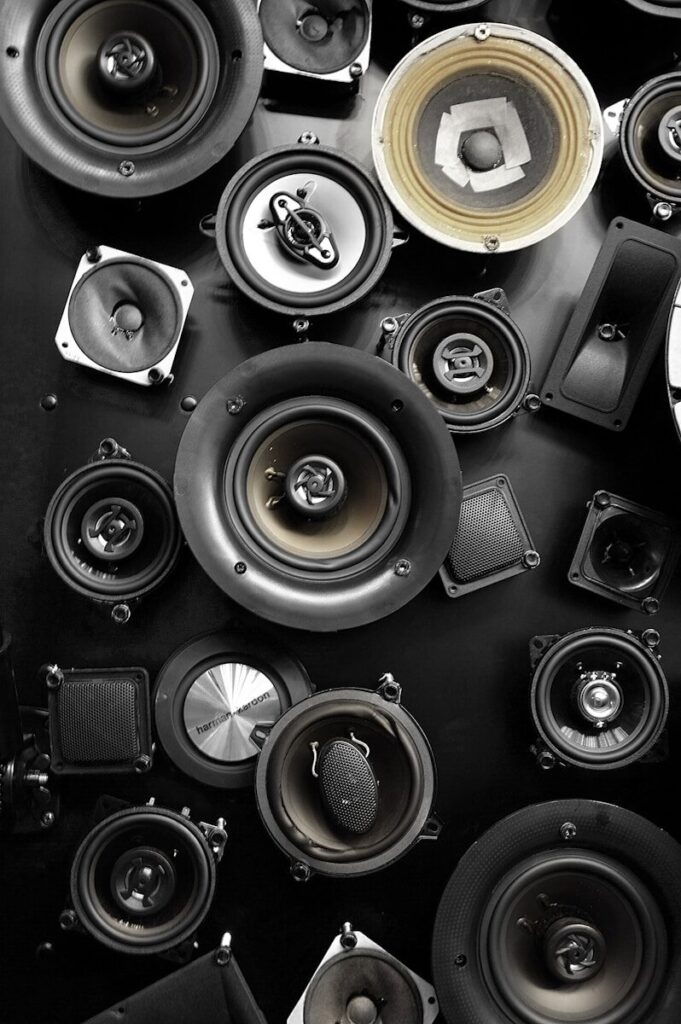
Many people believe that audio reviewers simply listen to a product and share their thoughts, but their work is far more organized and careful. To create useful and reliable reviews, top testers follow a thorough process that includes controlled listening sessions, everyday usage, detailed comparisons, and clear reporting. This method lets them explain not just what a product sounds like, but why it sounds that way – and who it might suit best. If you’ve ever been puzzled by two reviewers giving very different opinions on the same headset or speaker, the main reason usually comes down to their testing habits. Trusted pros use a routine developed to cut down on bias, fairly compare devices, and see how performance changes with different types of music or situations. You’ll find that respected sources for audio gear reviews often make this practical, evidence-based style clear in their articles, giving readers the tools to make smart choices. Why Having a Testing Method Matters Listening to music is a personal thing, so everyone’s experience is a little different. Still, that doesn’t mean reviews should be a free-for-all. The way something sounds hinges on all kinds of factors: your room, the equipment you connect, the volume you choose, what kind of music you listen to, your own tastes, even how broken-in the headphones or speakers are. To sort out all these variables, careful reviewers stick to a plan. By using a consistent setup, they make it easier to focus on the gear itself, not the space or setup around it. They also compare new products to gear they already know well, helping them spot true differences and avoid being swayed by first impressions. Instead of just deciding “Do I like this?”, they push further and ask “How does it react with all kinds of music, at different volumes, and compared to other products in the same price range?” Inspecting Build Quality and Setting Up Before any music is played, the first job is to check the product’s construction. Reviewers take a close look at things like build quality, comfort, durability, and how pieces fit together – especially important for headphones and earbuds that will see daily use. This step matters because even a great-sounding product can be ruined by poor design. Flimsy hinges, awkward cable placement, bad pads, or a weak battery will all impact a user’s experience. For wireless audio gear, battery life and charging time are put to the test as well, because a practical review covers both how something sounds and how easy it is to live with. This mix of technical notes and real-world feedback is why thorough reviews sound like they come from both engineers and everyday users. They have to meet standards for comfort and convenience before sound quality is even discussed. Consistency in Listening Environments One secret to a fair review is always using the same listening space. Skilled reviewers typically stick to one room, one chain of source equipment, and keep as much about their setup unchanged as possible. That way, the only real variable is the product being tested. This becomes especially important with gear that reacts to the room itself, like speakers and amplifiers. By keeping these factors controlled, reviewers can genuinely compare new entries to their trusted favorites or other models in the same budget. That’s why a $50 headphone isn’t judged by the criteria for a $500 flagship – each one needs to shine by the standards of its peers. So, the true test for reviewers is simple: Does this product excel for the price and category it’s in? That answer means far more to shoppers than just being labeled “good” or “bad.” Listening with Purpose Reviewers don’t just play one favorite track and make up their mind. Instead, they listen to a mix of music styles, podcasts, and sometimes even movies to see how the gear handles different sounds. Some common things they focus on include: Running these checks with different genres helps unmask any weaknesses or surprising strengths. What impresses with dance music could struggle with acoustic or vocal tracks, and vice versa. Long listening sessions are key too, since some gear might feel lively at first but quickly becomes tiring, while other products may take time to reveal their best qualities. Why Comparing Products Matters Comparing a new product to something familiar is a big part of the review process. Reviewers often swap between devices, going back and forth to pinpoint what actually sets new gear apart. Doing so helps two things stand out: Good testers make sure comparisons stay fair – stacking a budget set against budget competitors, for example. If something costs more, buyers should expect a real, noticeable jump in quality. By making detailed comparisons, reviewers give readers a frame of reference, helping them understand how the new product stacks up against stuff they might already know. Avoiding Bias in Audio Testing Bias is a tough challenge in this field. Brands, price tags, and even how a product looks can color someone’s opinion, so many reviewers build in ways to keep those outside influences in check. Some stick to a written checklist or fixed steps for each review. Others wait to read outside opinions until their own listening is done. Teamwork also comes in – testing with multiple people who each share their own thoughts helps create a more balanced view. Being clear about testing conditions is another key sign of trust. Honest reviews lay out what gear was used, how the test was done, and describe the space. Though no method is perfectly objective, this open approach makes the results much more reliable and helpful. It’s also debated whether blind testing or purely focusing on measurements can miss subtle listening differences. Some experts believe a mix of careful measurements, open listening, and side-by-side comparisons offers the most complete view. The Part Measurements Play Numbers and graphs can tell you a lot about how audio gear works – like its frequency response or sensitivity – but they don’t always match what you’ll feel or hear. A headphone that looks perfect on paper might still sound dull or unnatural to some listeners. That’s why experienced reviewers use measurements to support their opinions rather than letting the numbers speak alone. Good reviews will explain where the stats line up with what they heard, and where they don’t. That more personal touch helps readers understand the full picture. Real-World Testing Outside the Lab Testing in a controlled environment is important, but so is using the product in daily life. Reviewers take headphones to commutes, try speakers in different living rooms, check wireless connections on the go, and see how gear performs over long hours. This is how small details come out: maybe a headset begins to hurt after an hour, or a Bluetooth signal drops unexpectedly, or the app is confusing to use. These types of discoveries are crucial, because most buyers want products that work well outside the ideal test scenario. What Trustworthy Reviews Look Like A helpful, honest review is always detailed and balanced. The reviewer will typically share information such as: With this kind of information, readers can judge if a reviewer’s taste and needs match their own. Whether you want more bass, clearer vocals, or a certain style of sound, these details help you find the right fit. Reviews that get specific, talk through both the strengths and weaknesses, and tell the story behind each impression help everyone make better, more satisfying choices. Why It Matters for Audio Shoppers For anyone buying audio equipment, knowing what happens behind the scenes is valuable. Well-tested reviews let shoppers avoid trial and error, find products matched to their real needs, and steer clear of regrets. This kind of review becomes all the more important because two products with nearly the same specs can actually sound worlds apart. Skilled reviewers are able to turn their technical results into plain language, closing the gap between engineering and everyday use. When you trust a reviewer who has been thorough – listening carefully, comparing widely, and checking performance in normal life – you end up with advice that’s meaningful, clear, and worth following. What to Look for When Reading Reviews The most respected audio testers don’t just chase the latest hype. They explain what they did, show their reasoning, and make their process clear so you can decide whether to trust their take. If you’re thinking about buying headphones, speakers, or audio gadgets, seek out reviews that describe how the tests were done, give real comparisons, and blend technical know-how with everyday experience. This approach is what sets great review sites apart, helping you really understand how audio gear will perform in your own world.