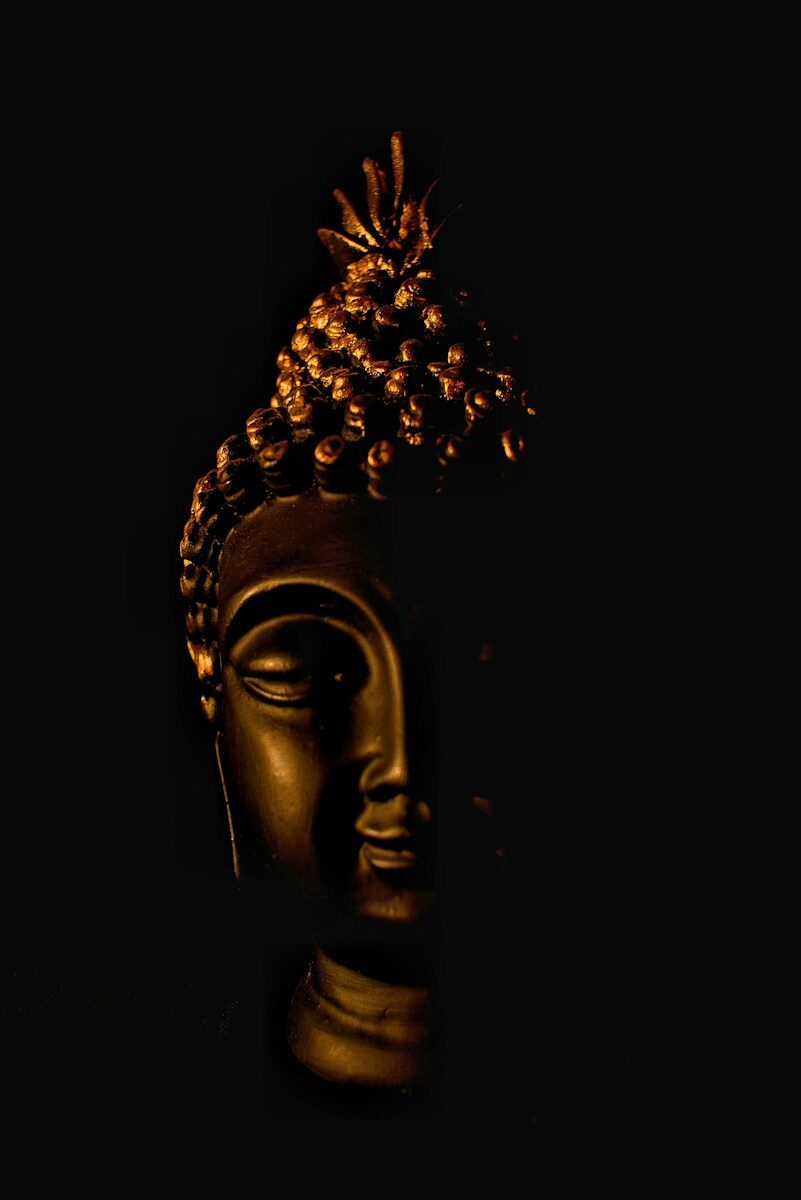
The online world of Korean Buddhism is experiencing an interesting transformation, as mantra and prayer channels bring a fresh yet familiar take on spiritual practice. These blogs and channels are reimagining how people engage with ancient chants and rituals. Among these, sites such as bts80000.tistory.com stand out, collecting wish-fulfillment mantras, protective prayers, and spiritual advice in a way that’s easy for anyone to follow during day-to-day life. For those looking to dive into this modern approach, the 불교 소원성취 진언 전문 채널 serves as a vivid gateway to practical Buddhist chanting and guidance.
What makes this growing trend so unique is its purpose-driven focus. Instead of simply sharing Buddhist concepts, these platforms cut straight to people’s daily concerns – removing obstacles, calming worries, improving business, finding protection, purifying karma, and achieving heartfelt wishes. Mantras and instructions are written in concise, step-by-step forms. The digital platform gives centuries-old chanting a new space to thrive, with everything searchable and always available. Buddhist practice here becomes something you can carry around – in your phone, on your lunch break, or in a quiet moment late at night.
Exploring Korea’s Digital Dharma
Buddhist chanting, repentance, and sacred texts have deep roots in Korean tradition. Before, these rituals were mostly experienced at temples or through religious books. Today, however, platforms like these blogs have expanded the experience. Mantras for wish-fulfillment have moved from the temple halls to people’s computer screens. Each post often has a clear label: prayers for safety, chants for cleaning bad karma, verses for personal achievements. This kind of labeling makes the age-old tradition very approachable for the modern seeker.
Digital religion works differently than in-person practice. When people turn to the internet for help, they’re usually looking for quick, usable answers. These blogs deliver by offering simple guidance, exact chants, and direct emotional comfort. The reader feels personally addressed – even if they only have a few spare minutes, it’s easy to take part. There’s no need to wait for a formal religious ceremony.
The Appeal of Wish-Fulfillment Mantras
Wish-fulfillment mantras hold a special place in Buddhism. They link spiritual discipline with concrete worries and dreams. Traditionally in Korea, Buddhist chanting included powerful texts for protection, blessing, childbirth, and general fortune. Online, these themes continue. Reciting a mantra isn’t just symbolic; with true focus and repetition, it’s widely believed to bring actual change.
These mantras fill a need that goes beyond doctrine: they give people something stable to hold onto when life feels unpredictable. Sometimes, just having a phrase to repeat can ease the heart. Blogs like bts80000.tistory.com organize these practices so that anyone can find the right chant for their unique situation. Whether for stress, ambition, or healing, there is a mantra ready to help.
What Makes bts80000.tistory.com Stand Out
This blog isn’t just a list of prayers. Each post is carefully crafted to help readers use the chants in daily life. Nearly every entry shares not just the words of the mantra, but a short explanation and clear suggestions about how and when to use it. One post might focus on wish-fulfillment, another on clearing away negative karma, another on keeping bad luck at bay, and some are aimed at specific life wishes and problems.
For instance, the site features detailed instructions for the mantra “Om Vajra Mani Kara Kim Kari Hum Hum Phat” – not just listing the chant, but explaining that it’s best recited ahead of other mantras, especially when aiming for clarity or power in one’s prayers. This attention to how the mantras fit together helps users create meaningful, personal rituals from these ancient forms.
Other entries highlight classic Buddhist mantras like “Om Mani Padme Hum” and “Namo Amitabha,” showing how these fit into the bigger world of Asian Buddhist devotion, connecting local audiences to a much broader spiritual tradition that emphasizes compassion, aspiration, and liberation. This mix of local and universal themes adds an extra layer of richness.
Building a Spiritual Library for Modern Life
What drives people to these digital mantra channels? They work like an online spiritual library. Not everyone can read classic texts or knows the original language, but with blog posts, the guidance is easy to access and understand. A single article can bridge the gap between complicated scripture and the kind of friendly help someone might search for.
The format also matches how people use the internet. Titles often echo what someone in distress might type into a search engine: “Prayer for success,” “Mantra for health,” “Chant for difficult times,” or “Buddhist ritual for cleansing.” This simplicity makes the site discoverable, allowing people in need of spiritual guidance to find answers quickly and without stress. It’s no wonder these channels rank well and continue to draw visitors.
Tradition Meets Technology: Preserving and Evolving
Some wonder if moving these rituals online might water down the authenticity of Buddhist practice. The truth is more complex. The web does make spiritual content more ‘digestible’ and easy to access, but it also keeps traditions alive that might otherwise fade away. Wish-fulfillment chants have been around in Korean Buddhism for generations, and giving them an online platform means that anyone, anywhere, can find and use them.
Modern digital Buddhist practice doesn’t invent anything new – it reshapes long-standing traditions for new times. The result blends the depth of ancient wisdom with the speed and convenience of the internet, keeping devotion alive while making it fit for today’s busy world.
Why These Mantra Channels Flourish Online
Three simple reasons explain their success:
- They speak directly to what people long for: security, happiness, relief, comfort, progress.
- They offer immediate help in bite-sized forms: just the mantra, its meaning, and how to start.
- They are matched perfectly with what people search for when feeling lost or hopeful – quick spiritual solutions, not technical doctrines.
This formula keeps readers coming back. You don’t need religious training or special preparation. All you need is a concern on your mind and the willingness to try a ritual that’s already helped others.
The Broader Cultural Shift
Korea’s online Buddhist scene is just one part of how faith adapts to new technology. Devotional Buddhism is well-suited to blogs and videos because chanting is easy to repeat, listen to, read, or even watch. This adaptability means that powerful traditions can be carried through all kinds of media, keeping their spirit without losing depth.
Sites like bts80000.tistory.com are leading the way, meeting people wherever they are – on phones, computers, and in all the little spaces of modern life. By focusing on wish-fulfillment and solution-seeking mantras, they show that digital Buddhism isn’t just about learning; it’s also about doing, connecting, and finding comfort in real time.
Lasting Impact
In Korea’s digital Buddhist world, mantra channels have grown into much more than simple information sources. They function as practical devotional tools. By curating wish-fulfillment prayers, protection rituals, and step-by-step guides in a friendly online format, bts80000.tistory.com shows how traditional Buddhist practices can evolve while preserving their essential form.
It’s an inspiring example of how ancient language and stories still have life. Rather than replacing time-honored temple ceremonies, these blogs and channels add a new dimension – one where intention, spirituality, and everyday needs come together right on the screen.